Section outline
-
-
Introduction - House Model Experiment
In this part of the course, you will work as a building scientist.You have already learned about health and safety risks in homes, heat transfer, the building envelope, and how homes in informal settlements are affected by energy poverty and climate change.Now it's time to apply that knowledge, observing, hypothesizing, and analyzing data from a real model house experiment.What is the house model?
The house model is a physical scale model built with the same materials used in informal settlements in Argentina: OSB panels, corrugated metal roofing, wood, and waterproof membrane. It was designed by FOVISEE, WWB and MIT to teach building science in a hands-on way.
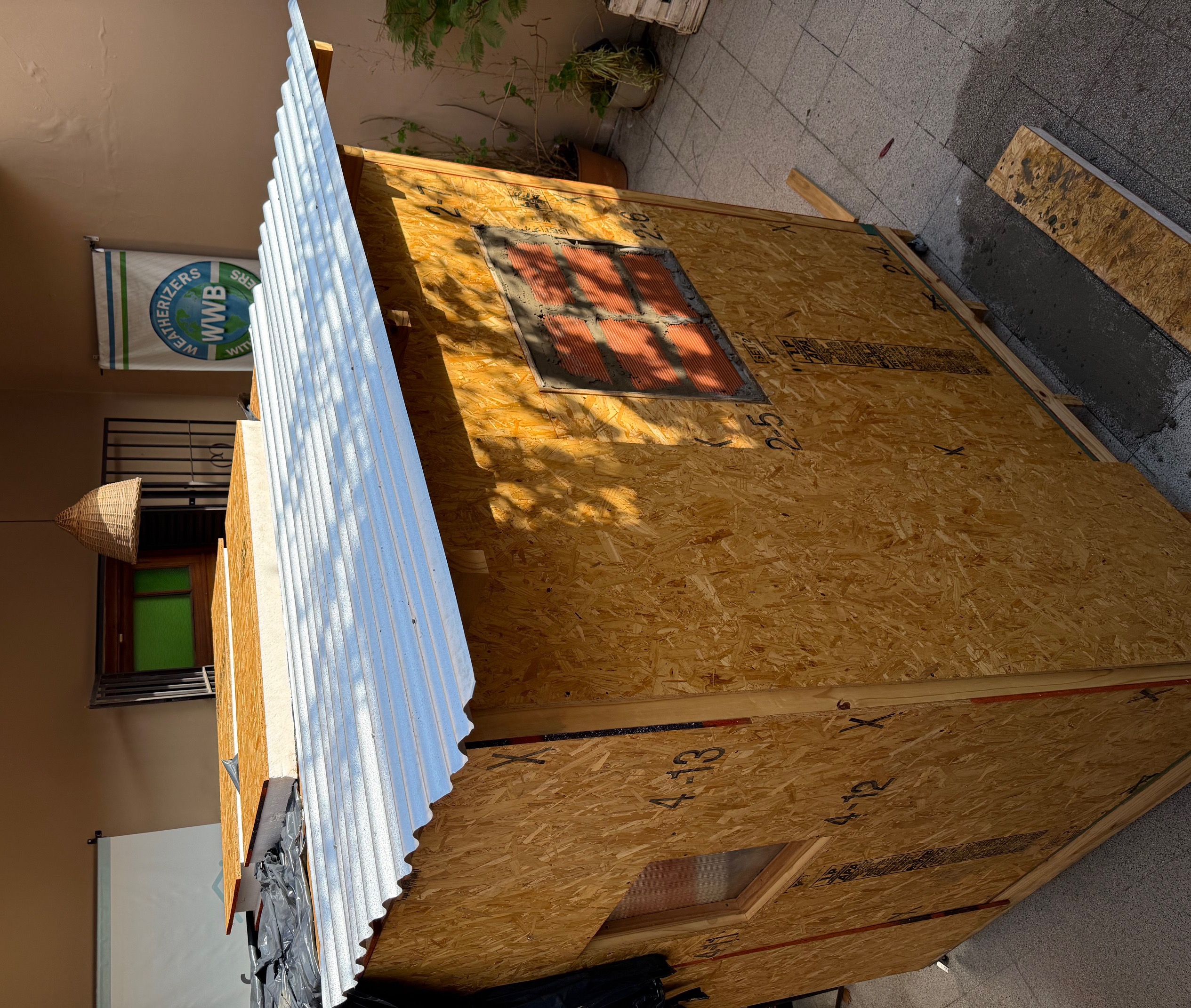
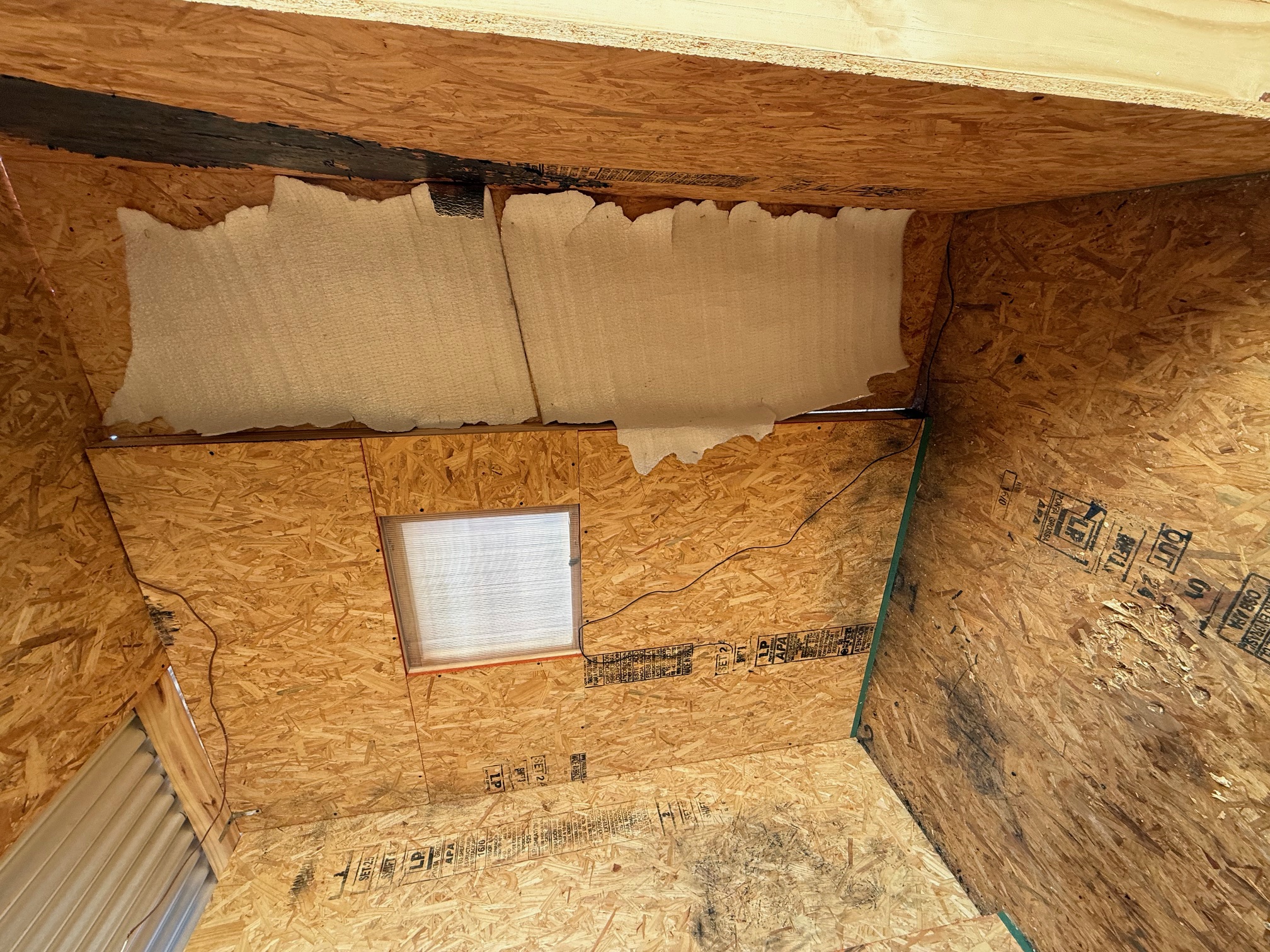
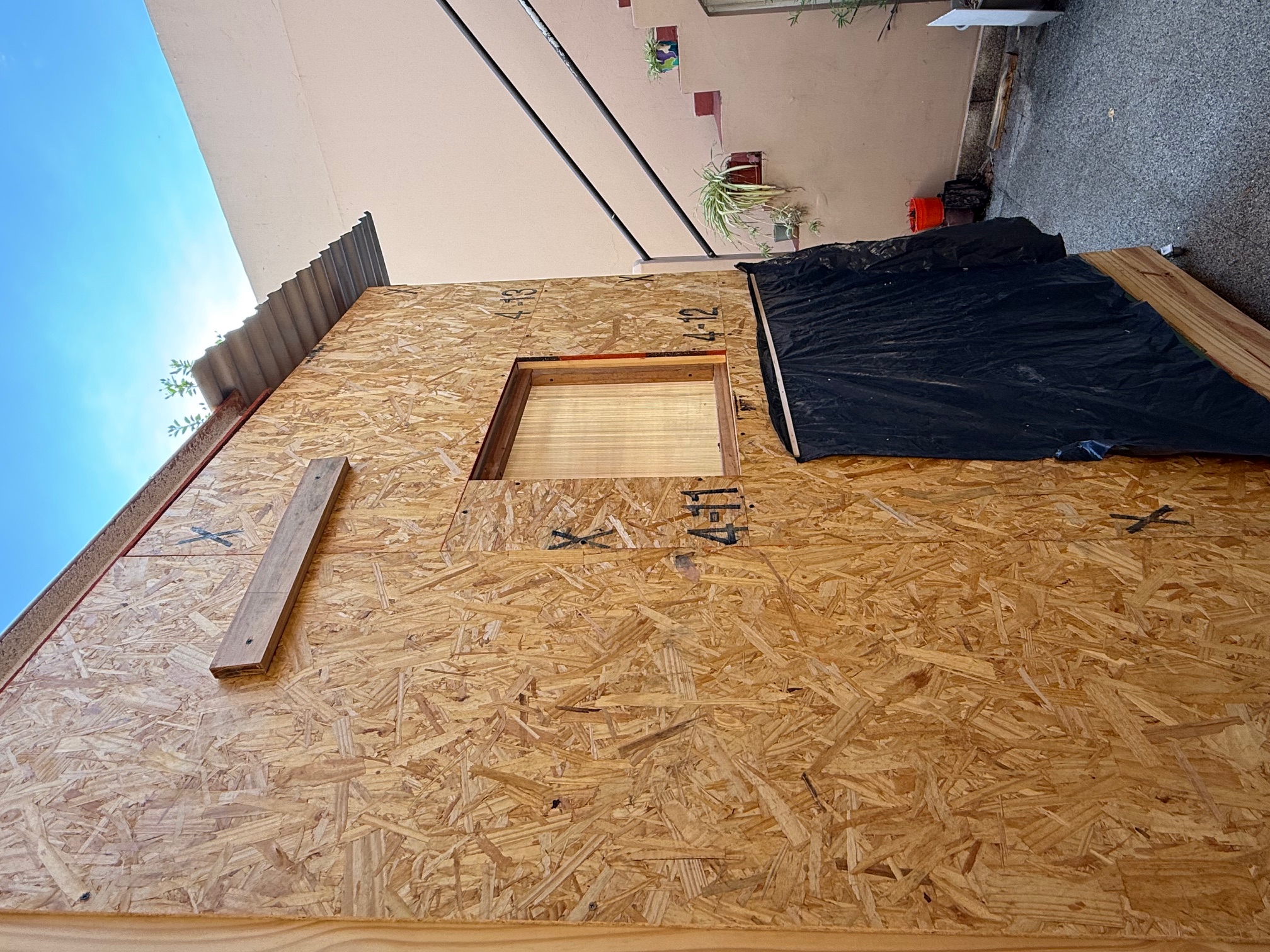
What will you do in this experiment?
You will watch a demonstration of the experiment, form hypotheses, analyze real data collected from the model, and write a lab report with your conclusions and proposals.
Next step: Watch the video below.
-
TBD: [Resource: short video instruction by Josh/Nico?]
This video will show:
- How the model house is set up
- What variables are tested (insulation, ventilation, air leakage, etc.)
- How temperature and humidity are measured inside and outside
- How the sensor kit works
-
Before you see the data, make your predictions.
For each variable listed below, write your hypothesis: what do you think will happen to the temperature and humidity inside the model house when that variable changes?
Use this format for each hypothesis: "If [variable changes], then [expected effect on temperature/humidity], because [reason based on building science]."
TBD:
Variables to test:
Variable Your Hypothesis Adding insulation to the roof Sealing air leaks around windows and doors Changing the roofing material (metal vs. insulated) Adding a vapor barrier Increasing ventilation
-