Completion requirements
What is Particulate Matter?
Particulate Matter (PM) is a complex mixture of microscopic solid and liquid particles suspended in the air. Particles vary in their physical and chemical characteristics and come from many different sources.
Particle composition includes:
- Nitrates and sulfates
- Organic compounds
- Metals
- Dust
- Allergens (pollen fragments, mold spores)
Where does PM come from?
PM sources can be natural (volcanoes, wildfires, dust storms) or human-made (industrial processes, combustion, vehicle emissions, tobacco smoke).
Inside and outside the home, the main sources are:
| Indoor Sources | Outdoor Sources |
|---|---|
| Biomass combustion appliances | Vehicles |
| Gas stoves and cookers | Fires and wildfires |
| Ash and dust | Factories and industry |
| Candles | Dust and wind |
| Smoking |
How big is Particulate Matter?
PM is classified by diameter, since particles of similar size share the same settling speed, generation process, and where they deposit in the human respiratory system.
- PM10 — particles with diameter between 2.5 μm and 10 μm
- PM2.5 — fine particles with diameter between 0.1 μm and 2.5 μm
- PM0.1 — ultrafine particles with diameter smaller than 0.1 μm
TRADUCIR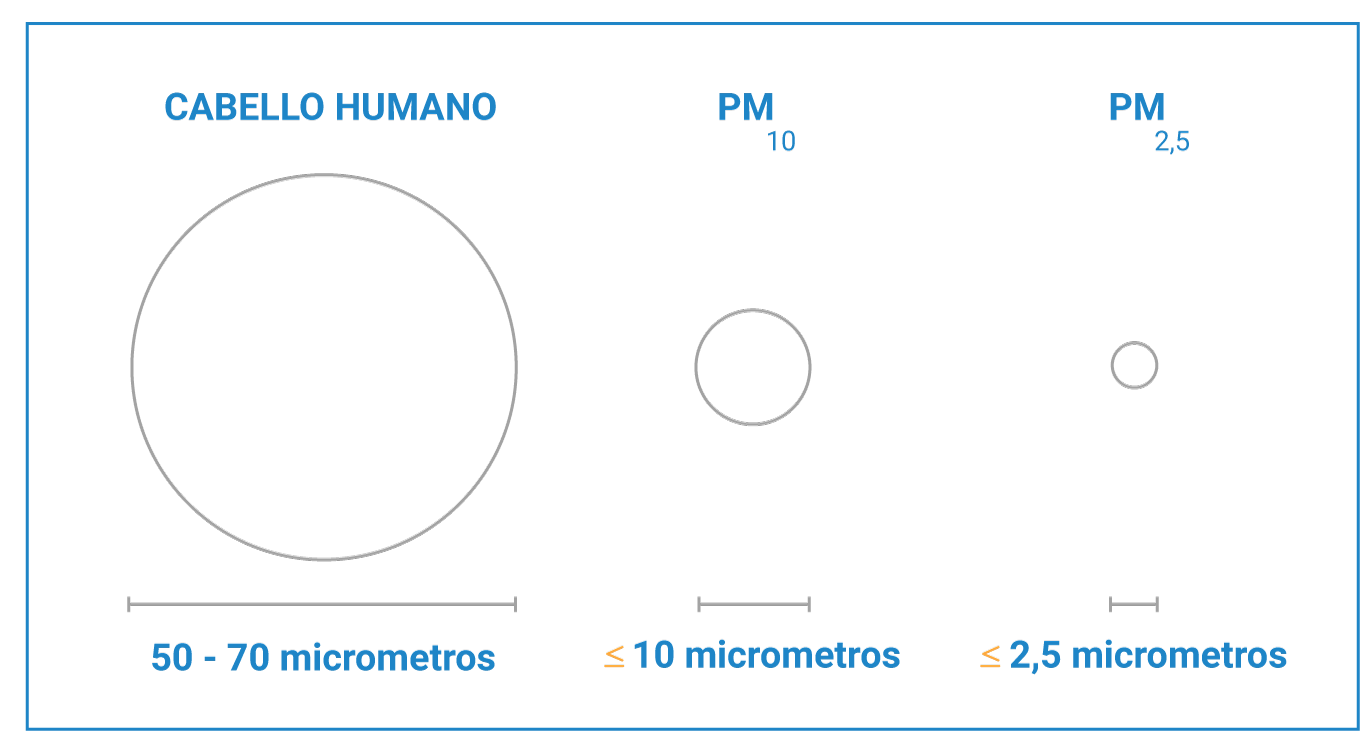
How does PM affect health?
Particle size is directly related to health risk. PM10 and especially PM2.5 are the most dangerous because they can penetrate deep into the lungs and, in some cases, enter the bloodstream.
Dangerous levels:
- PM2.5 above 35 μg/m³ is considered risky
- PM10 above 150 μg/m³ is considered risky
Short-term exposure effects:
- Aggravated lung disease
- Asthma attacks
- Acute bronchitis
- Increased respiratory infections
- Reduced cognitive performance
Long-term exposure effects:
- Reduced lung function
- Chronic bronchitis
- Aggravated heart disease (arrhythmias, cardiac arrest)
- Pneumonia
- Pulmonary emphysema
(Source: WHO Air Quality Guidelines, 2005)
High-risk groups:
- Children and adolescents
- People with respiratory diseases, asthma, or chronic lung conditions
- People with cardiovascular disease
- Smokers
- People with obesity
How is PM measured and monitored?
Just like with CO, there is an important difference between measuring and monitoring PM:
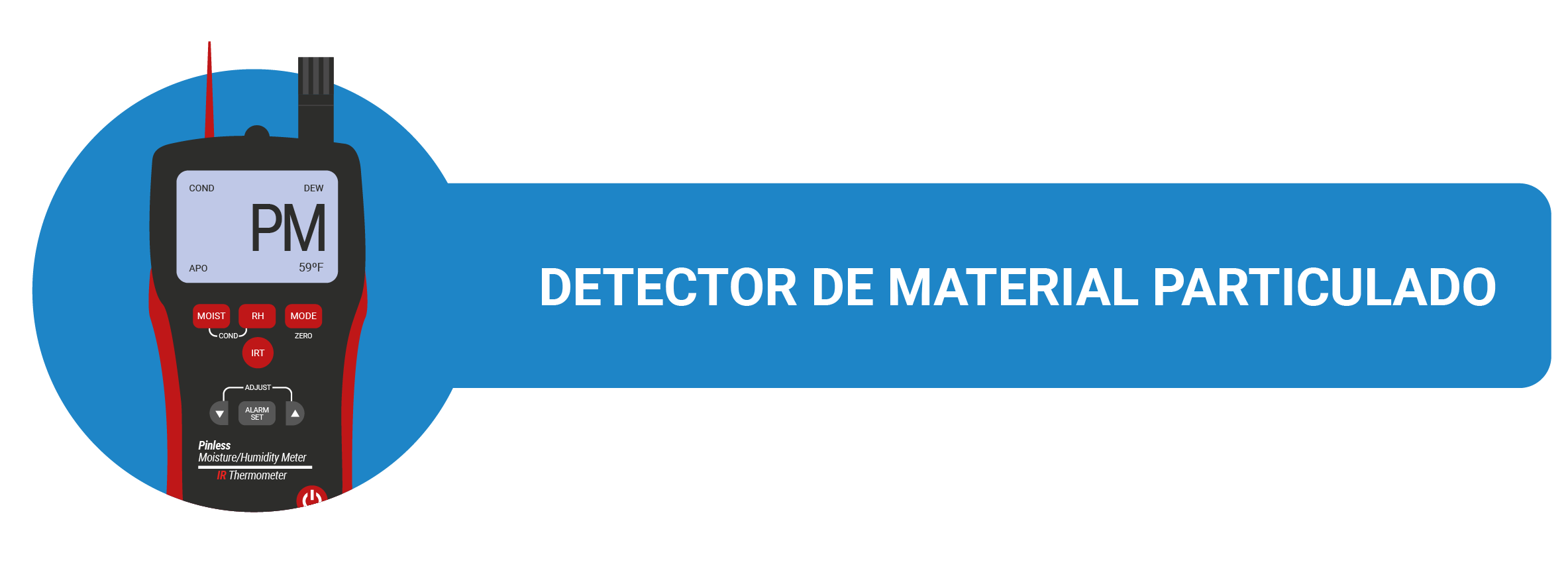
- Measuring: done with a PM detector at a specific moment. The detector is placed approximately 30 cm above each combustion appliance, with doors and windows closed. Measurements are taken both inside and outside the home.
- Monitoring: done with PM dataloggers installed in the home over several days, both indoors and outdoors. This provides a more representative picture of PM levels during normal household activity.
How to prevent PM exposure at home?
- Prioritize heating systems with low indoor emissions
- Use heating appliances wisely — do not run them at maximum temperature at all times
- Regularly check the condition of your heating appliances
- If you use wood burning, always use dry wood
- Ventilate your home regularly
- Ventilate bathrooms and kitchens after activities that generate steam or smoke
- Close curtains and blinds at night — they act as insulation and reduce the need for heating
💡 Remember: Better home insulation means less heating use — and less heating use means lower PM risk.
Next step: Continue to C. Safety