Completion requirements
Overview
Beyond air quality, homes in informal settlements often present serious safety risks related to electrical installations, gas systems, and wood-burning appliances. These risks can cause fires, explosions, electrocutions, and poisoning — and are directly connected to the quality of construction and maintenance of the home.
1. Electrical Risks
A home's electrical installation can be dangerous if it was not built to safety standards. The main risks are:
- Electric shock: if someone touches an exposed wire or live conductor, current passes through the body, potentially causing cardiac arrest, respiratory failure, or death. The severity depends on the current intensity, duration, and path through the body.
- Fire or explosion: when electrical consumption exceeds cable capacity, cables overheat. If flammable materials are nearby, this can cause a fire. Sparks from exposed or damaged cables are another common ignition source.
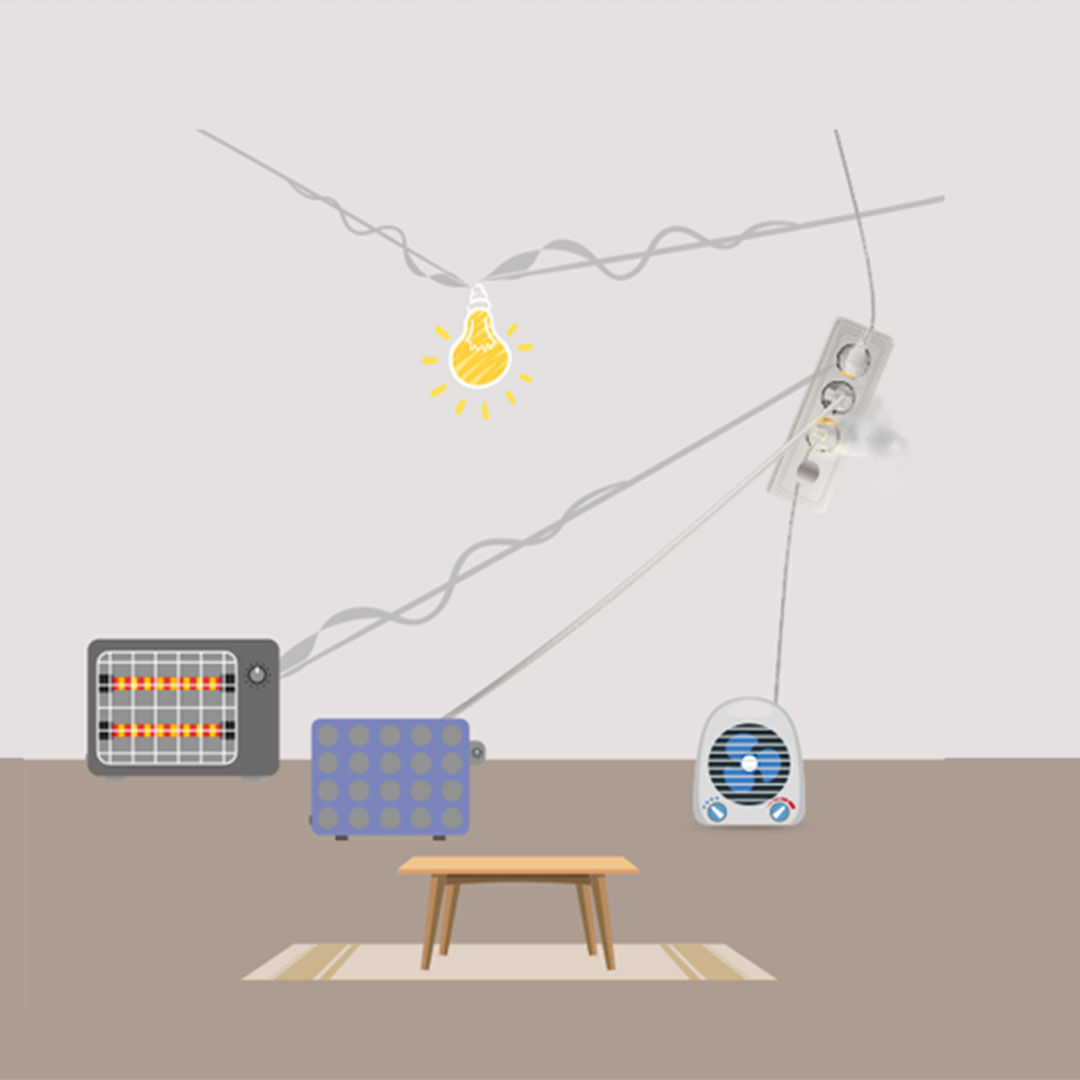
Common electrical defects in homes:
- Lack of maintenance: electrical installations should be inspected at least every 10 years
- Improvised wiring: permanent extension cords and multi-plugs instead of proper circuits
- Uncertified or defective materials
- Missing protection devices: no differential circuit breaker or ground connection
- Incorrect cable sizing
- Electrical panels installed in unsafe locations (near gas cylinders, poor ventilation)
Protection systems:
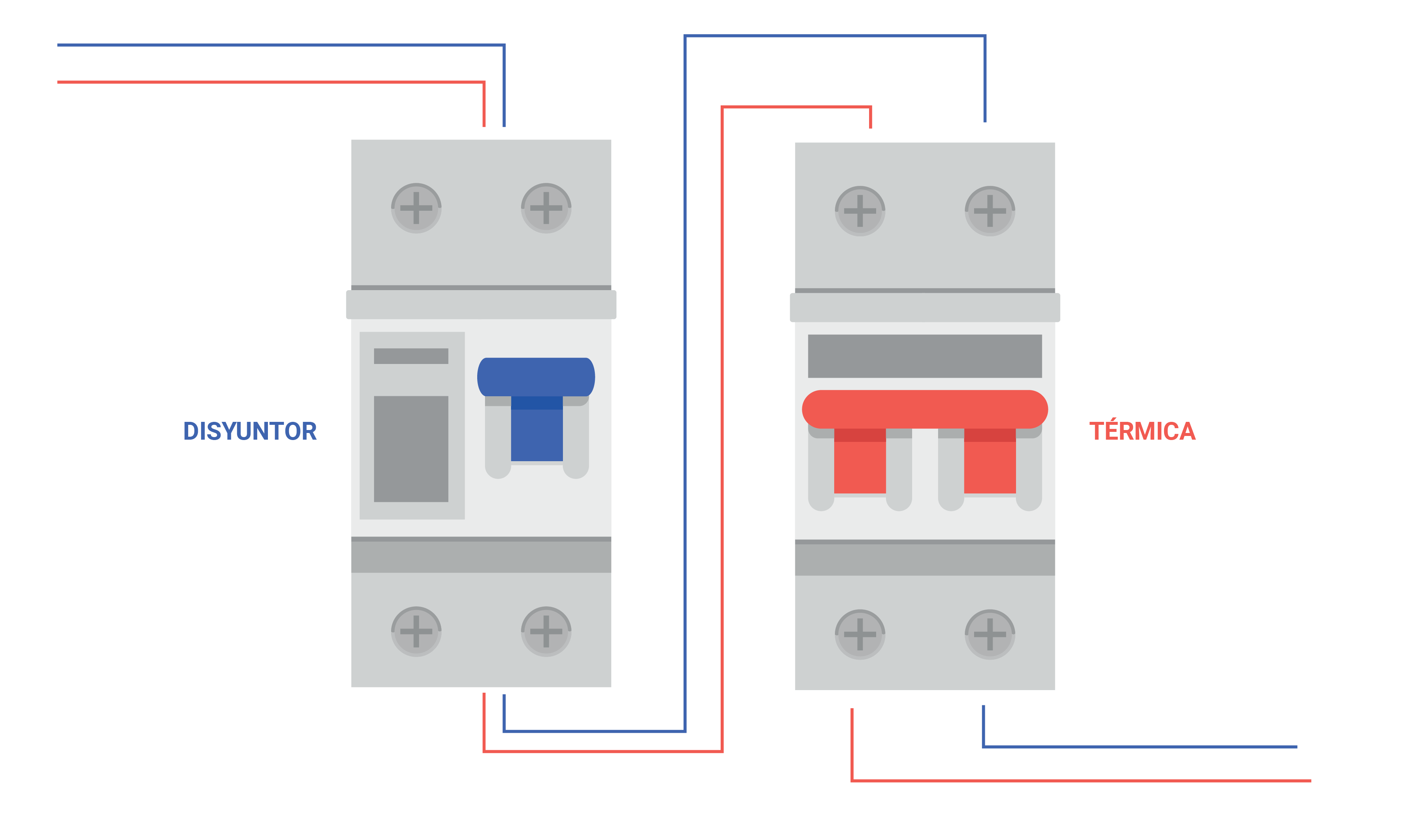
- Thermal breaker (thermomagnetic switch): monitors cable temperature and automatically cuts the circuit when overheating is detected
- Differential circuit breaker: detects electrical leakage and cuts the circuit to protect people from electric shock
- Ground connection: diverts electrical discharges away from the human body through a copper wire connected to a grounding rod buried in the earth
TRADUCIR
2. Gas Installation Risks
Gas appliances -stoves, ovens, water heaters, space heaters- are common in homes in informal settlements and present significant safety risks when not properly installed or maintained.
Key safety practices:
- Always use certified gas technicians for installation and repairs
- Only install appliances certified by official safety organizations
- Never obstruct ventilation ducts or chimney flues
- A healthy flame is stable and blue — a yellow or orange flame indicates poor combustion and potential CO generation
- Never let burner flames go out while cooking
- Regularly inspect flexible connection tubes
- Have a certified technician inspect your installation periodically
- Before closing off any room or space, consult a gas technician to ensure adequate ventilation
TRADUCIR
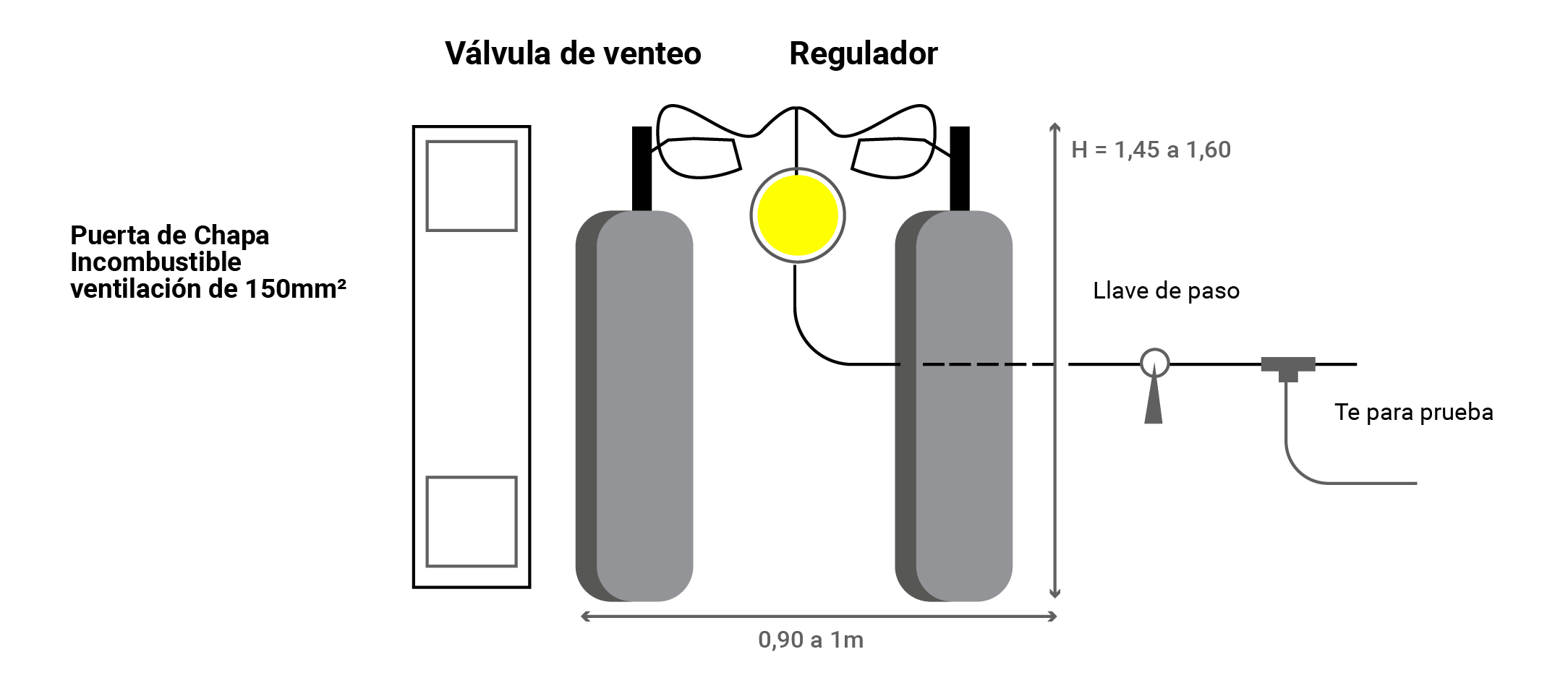
Liquefied Petroleum Gas (LPG): In areas without natural gas networks, homes use LPG cylinders (propane/butane). These should always be stored in a closed outdoor niche with proper ventilation and safety valves, never indoors.
3. Wood-Burning Risks
Wood is a renewable energy source widely used for heating in informal settlements, particularly in colder regions. However, improper use generates significant health and safety risks.
Key precautions:
- Always use dry wood, wet wood produces much more smoke, particulate matter, and toxic gases including CO
- Indoor combustion must use a closed-chamber appliance (salamander/wood stove) with proper flue and airtight door
- Never burn wood in an open or unvented setting indoors
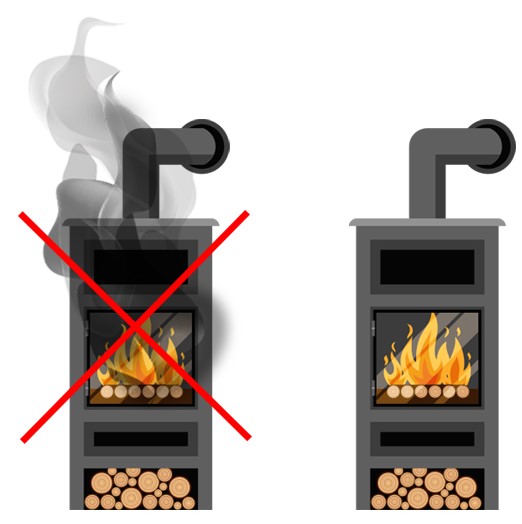
💡 Remember: Burning wood indoors generates toxic fumes including particulate matter, carbon monoxide, carbon dioxide, volatile organic compounds, and nitrogen oxides. Proper ventilation and correct appliances are essential.
Better home insulation means less heating use, and less heating use means lower risk of all combustion-related hazards.
Next step: Continue to D. Thermal Transmittance.